

Dermatology Insights on
Sun Protection and Repair
Dr. Gray’s
Dr. Mark Gray
Dermatologist & Founder
MBChB, FRACP, FRCPC, FRCPA, ABPath, ABDermpath, FRSpecialist Dermatologist , Specialist Pathologist , Specialist Dermatopathologist , Cosmetic Surgeon, Mohs Surgeon.
Suncare Explained
Dermatologist’s
Insights – Sun Protection and Repair
Sunscreen Essentials






Top Stories

The Science of Suncare
All Stories
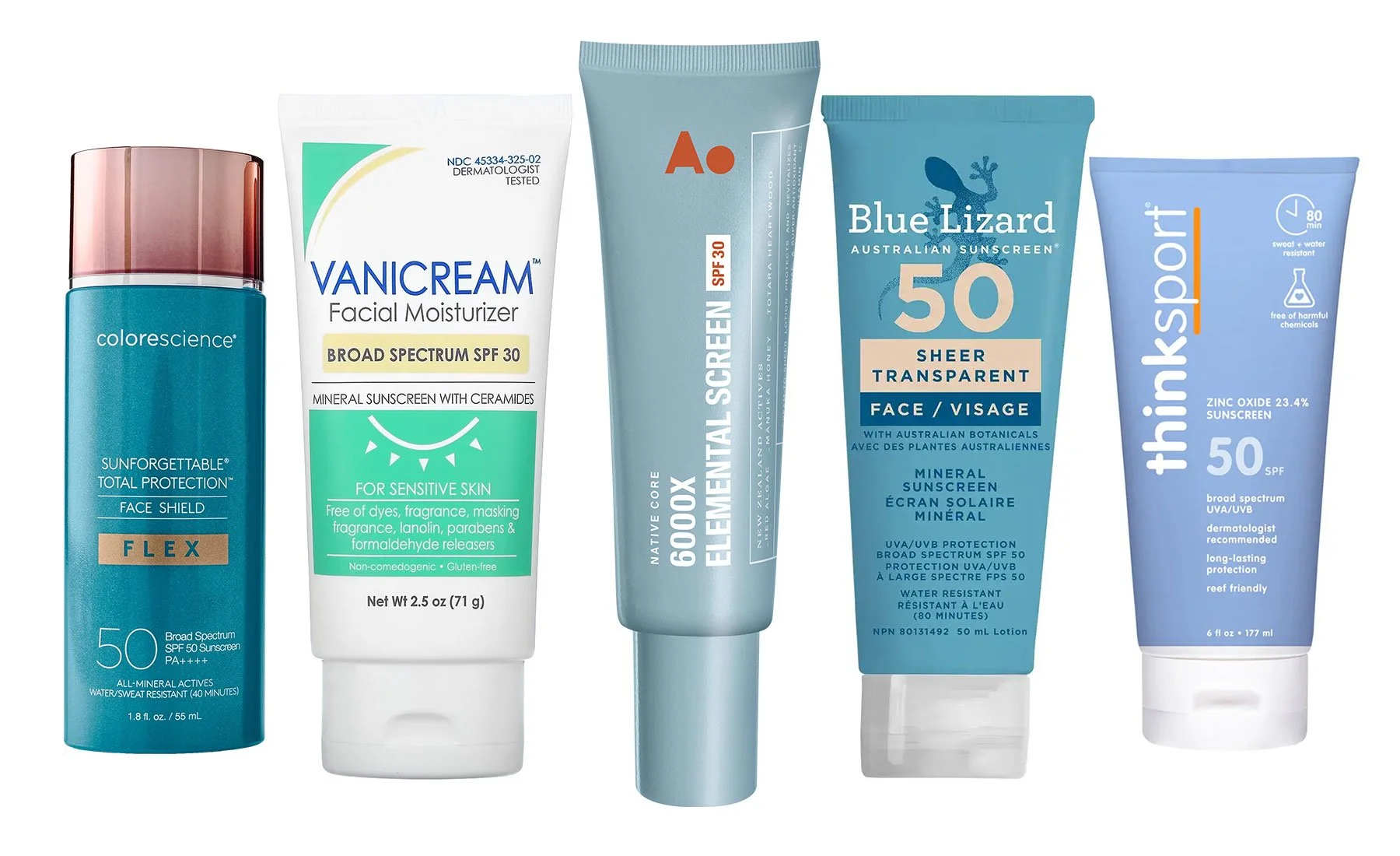
Best Reef-Safe Sunscreens 2026: A Dermatologist's Guide to Ocean-Friendly Protection
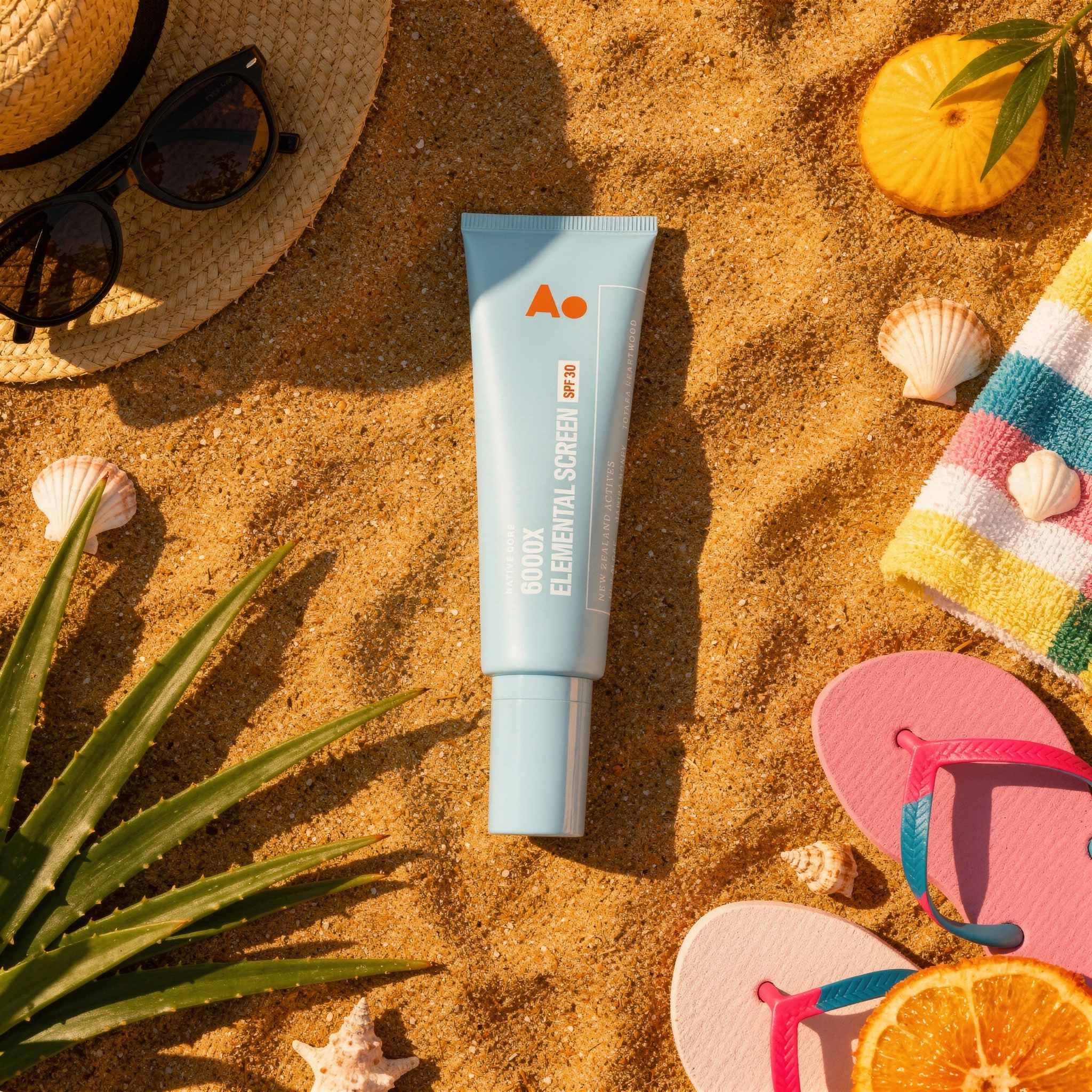
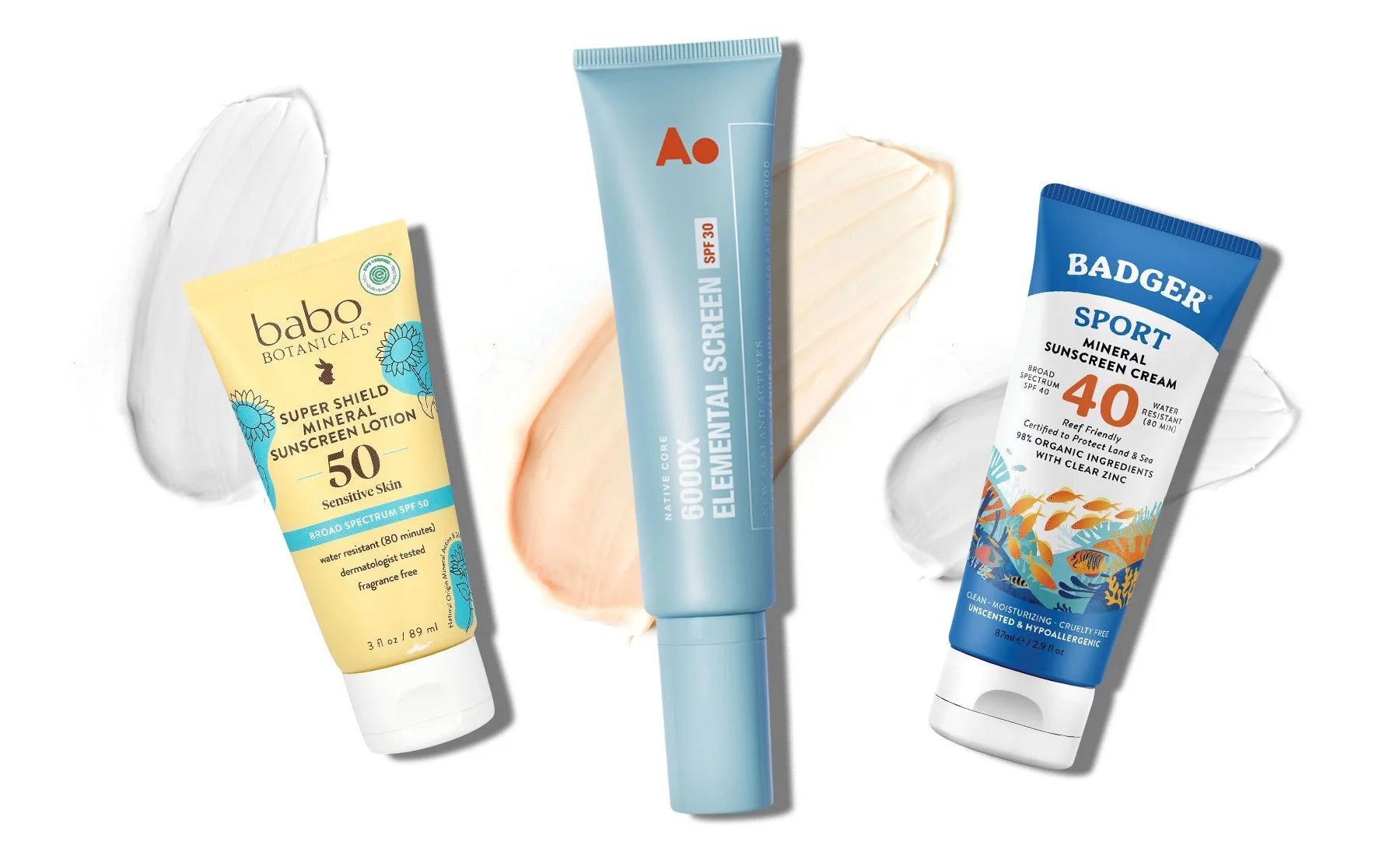
With rising awareness of reef damage from chemical filters, Dr. Mark Gray shares his expert picks for truly reef-safe sunscreens. Focusing on non-nano zinc oxide and clean ingredients, this roundup explains why mineral options are superior—and why Ao's 6000X Elemental Screen SPF30 is his top choice for effective, eco-conscious daily defense.
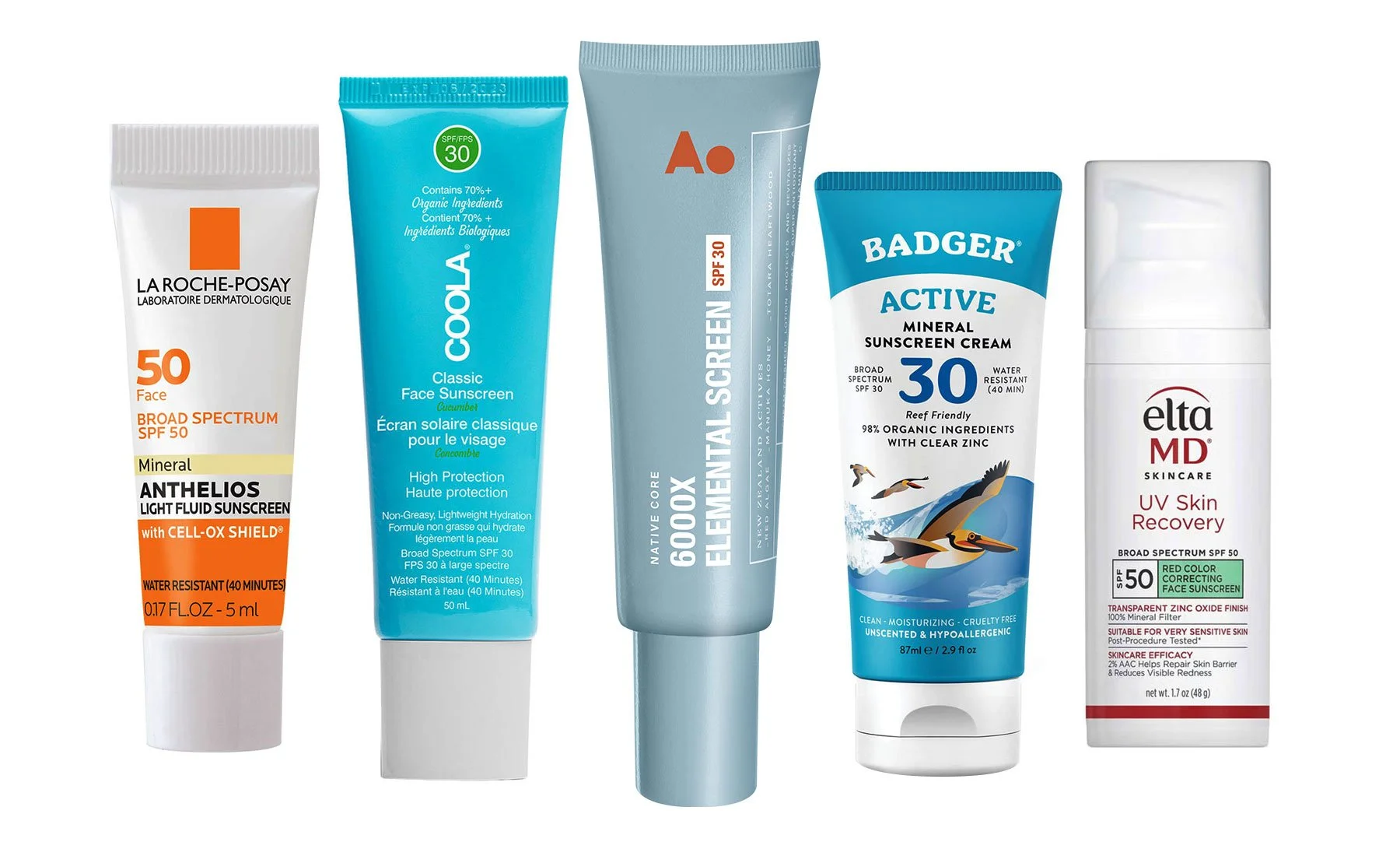
The Best Mineral Sunscreens for Sensitive Skin in 2026: Dermatologist-Tested Picks
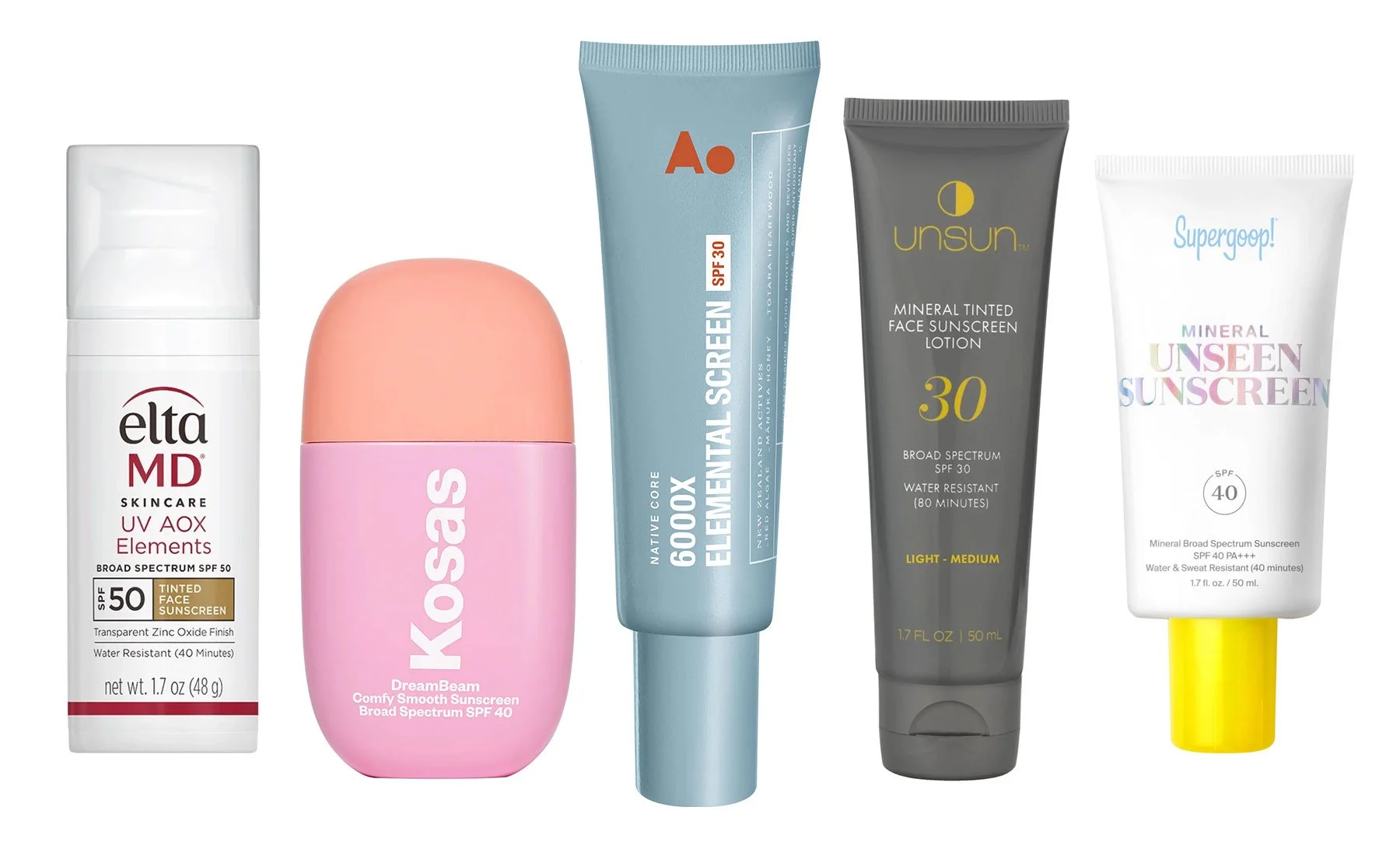
Dr. Mark Gray, a Harvard-trained dermatologist with decades of skin cancer prevention expertise, rounds up the top mineral sunscreens that avoid irritation while delivering broad-spectrum protection. This guide prioritizes fragrance-free, non-comedogenic formulas with calming actives, and highlights why Ao's 6000X Elemental Screen SPF30 stands out for its astaxanthin repair and zero white cast.
3 Keys to Choosing the Perfect Sunscreen for Your Skin – A Dermatologist’s Guide
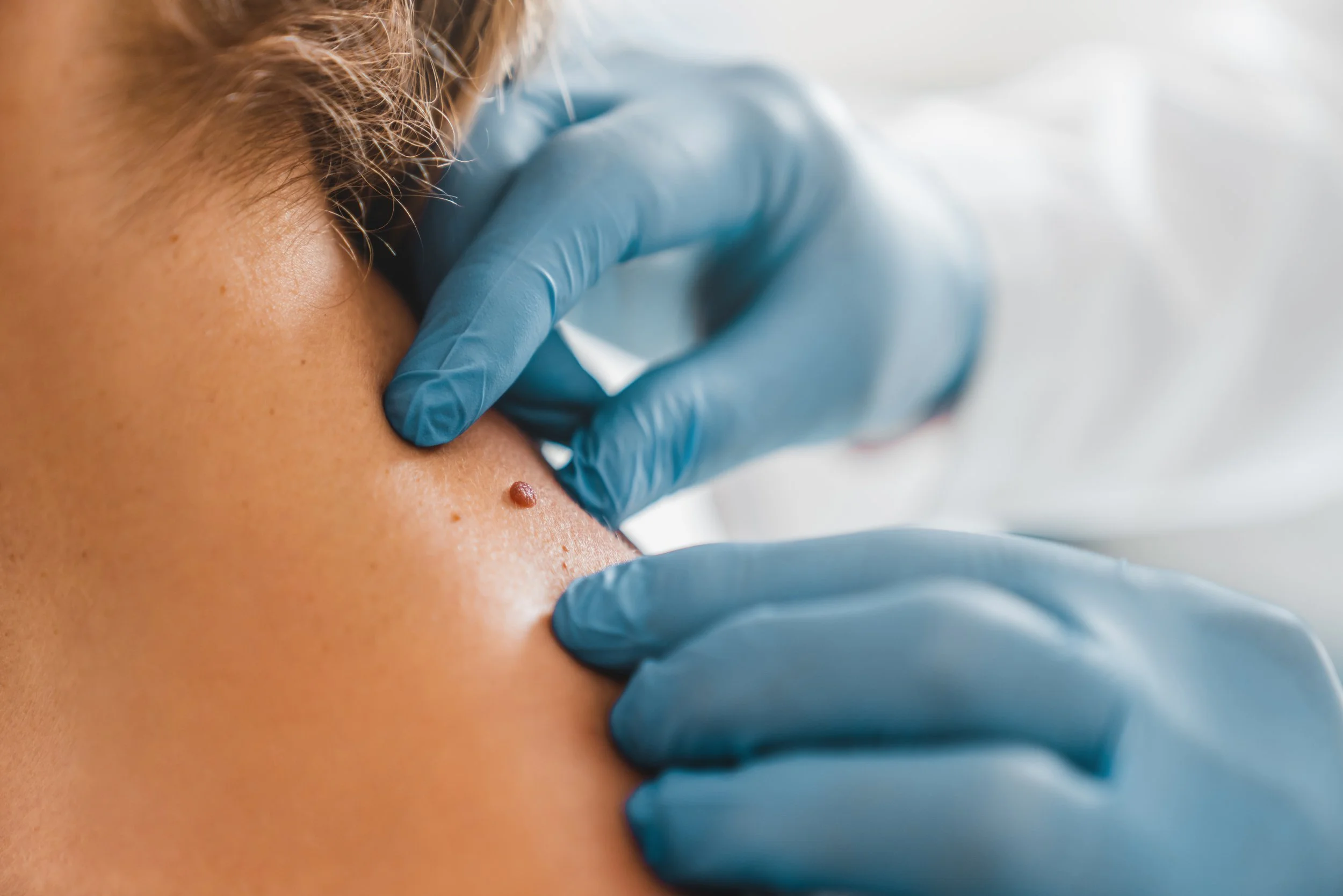
Sunscreen isn't just a summer essentia – it's your daily shield against UV rays that cause premature aging, dark spots, and skin cancer. In this guide, a dermatologist breaks down the three crucial factors for finding your perfect match: aligning with your skin type (from oily to sensitive), prioritizing clean mineral ingredients like zinc oxide, and considering your lifestyle needs for water resistance or multitasking benefits. With tips on application and the benefits of antioxidants, you'll learn how to choose a non-greasy, effective formula that encourages consistent use for healthier, glowing skin year-round.
7 Best Zinc Oxide Sunscreens for Ultimate Protection
Zinc oxide has long been my go-to recommendation for effective, gentle sun protection in my dermatology practice. As a physical blocker, it creates a barrier on the skin's surface to deflect UVA and UVB rays, offering broad-spectrum defense without the absorption concerns of chemical filters. This makes it ideal for all skin types…
8 Best Sunscreens for Sensitive Skin – Dermatologist Tested
In this roundup, I've selected standout sunscreens for sensitive skin, prioritizing fragrance-free, non-comedogenic picks with calming ingredients like zinc oxide, ceramides, and antioxidants. These range from drugstore deals to high-end dermatologist-grade…
Micronized vs. Nanonized Mineral Sunscreens: Navigating Safety and Efficacy
Mineral sunscreens, using zinc oxide or titanium dioxide, have revolutionized suncare by providing physical barriers that reflect UV rays rather than absorbing them like chemicals. The key to their usability lies in particle size, but nanonized particles (nano <100 nm) raise concerns. Alarming stat…
The Indoor Sun Trap: Why Your Office Window Is a Skin Saboteur
Indoor UV is a sneaky foe—standard glass blocks UVB but lets 50-75% UVA through (Journal of Investigative Dermatology). A study of 84 office workers found those near windows had 170% more skin damage on exposed sides…

Myth Busting: The Truth About “Safe” Tanning and Its Hidden Costs
The "healthy tan" myth persists, but evidence debunks it. Tanning is skin's distress response to UV injury, producing melanin as a shield – but it's inefficient, blocking only 50-70% of rays (British Journal of Dermatology). A large-scale study of 30,000 Swedes found tanners had 50% higher melanoma risk…